
Stair Parts Buying Guide
What each part of a staircase is called, how to measure for it, and the building regulations limits to work to before you order.
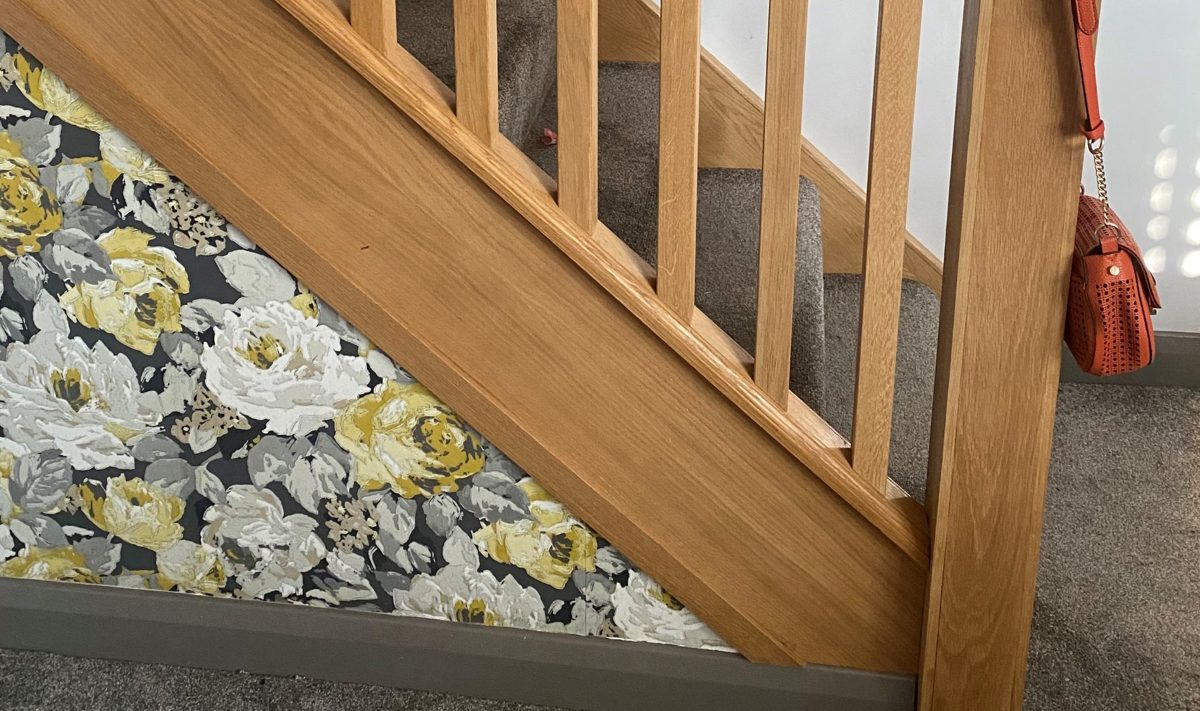
The parts of a staircase
Tap a number to see what each part is called and does.
- 1StringThe long side board the treads sit in.
- 2TreadThe part you stand on.
- 3RiserThe upright between treads.
- 4HandrailBetween the newels, or on wall brackets.
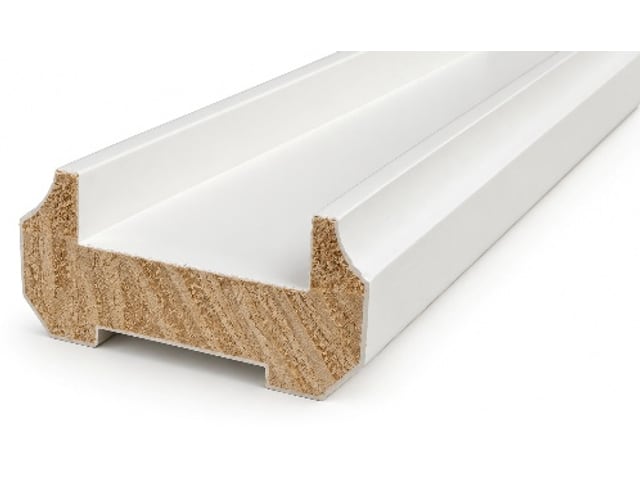
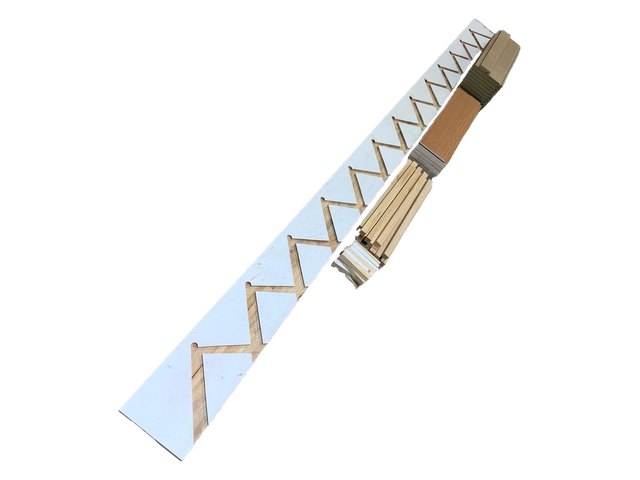
- 5Base railGrooved rail the spindles sit into.
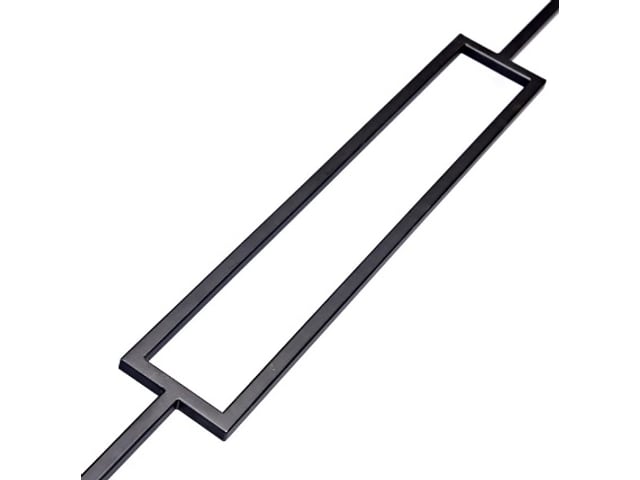
- 6SpindleThe uprights. Square, chamfered or turned.
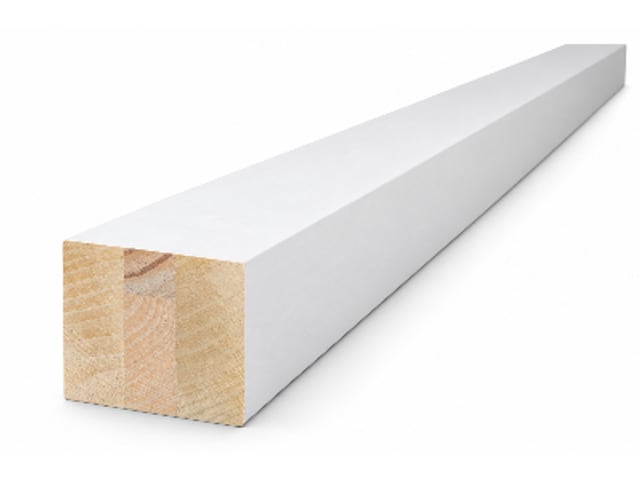
- 7NewelThe post at each end.
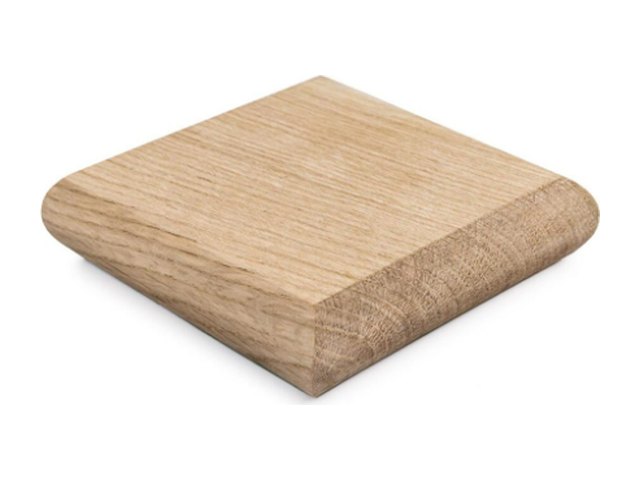
- 8Newel capThe finishing piece on the post.
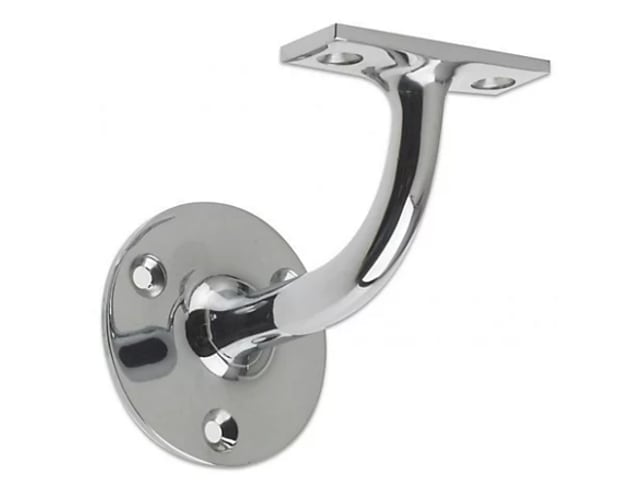
- 9Handrail bracketFixes a wall handrail.
Measuring your staircase
Three measurements describe a straight flight: the total rise, the going of each step and the width. Measure from finished floor to finished floor, allowing for carpet or new floor finishes.
- Total rise: the vertical height from the ground floor to the upstairs floor.
- Rise per step: the total rise divided by the number of risers. Every rise on the flight must be the same.
- Going: the horizontal depth of one step, from one nosing to the next.
- Width: the overall width of the stair, including the strings.
The Staircase Builder works out the rise per step, the pitch and the footprint from these figures, and checks them against the regulations.
Building regulations for private stairs
Part K of the building regulations sets the limits for a staircase in a house. A new staircase must meet them; a like for like repair to an existing balustrade does not normally need approval.
- Maximum rise of 220mm and minimum going of 220mm.
- Maximum pitch of 42 degrees.
- Twice the rise plus the going between 550mm and 700mm.
- Handrail height between 900mm and 1000mm above the pitch line, on both sides if the stair is one metre wide or more.
- No gap in the balustrade that a 100mm sphere can pass through.
- Headroom of 2m above the pitch line, reduced for loft conversions.
If your house is listed, any change to the staircase needs listed building consent from the council before work starts.
Choosing spindles, handrail and base rail
Choose the spindle first. Spindles come in 32mm and 41mm, and your handrail and base rail need the matching groove. Allow two spindles per tread on the stair and one every 130 to 140mm along a landing.
Choosing newels and caps
A newel post sits at the bottom and top of each flight and at every turn. A half newel finishes a handrail against a wall. Caps finish the top of each newel.
Softwood or oak
Softwood is the choice for a painted or carpeted staircase. Oak is chosen for a natural oiled or lacquered finish. A common upgrade is an oak handrail and oak newel caps on a painted softwood flight with white primed or black metal spindles.
Frequently asked questions
How do I work out the rise of my stairs?
Measure the finished floor to finished floor height and divide it by the number of risers. For a private stair the result must be no more than 220mm.
What is the going of a stair?
The horizontal depth of one step, measured from the front edge of one tread to the front edge of the next. It must be at least 220mm on a private stair.
What height should the handrail be?
Between 900mm and 1000mm, measured vertically from the pitch line. Landing guarding should be at least 900mm high.
How far apart should spindles be?
Close enough that a 100mm sphere cannot pass between them. With 41mm spindles that is centres of about 140mm or less, usually two per tread.
32mm or 41mm spindles?
Either works. 41mm spindles look heavier and suit most modern balustrades; 32mm suit a lighter, more traditional look. Match the handrail and base rail groove to the spindle.
Do I need a handrail on both sides?
On a stair one metre wide or more, yes. On a narrower stair, a handrail on one side is enough.
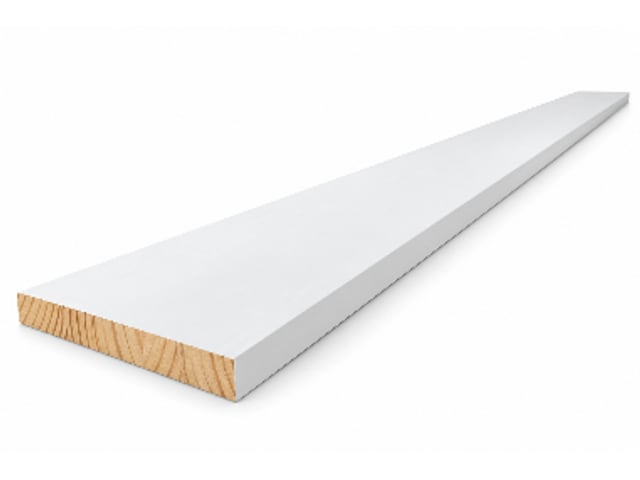
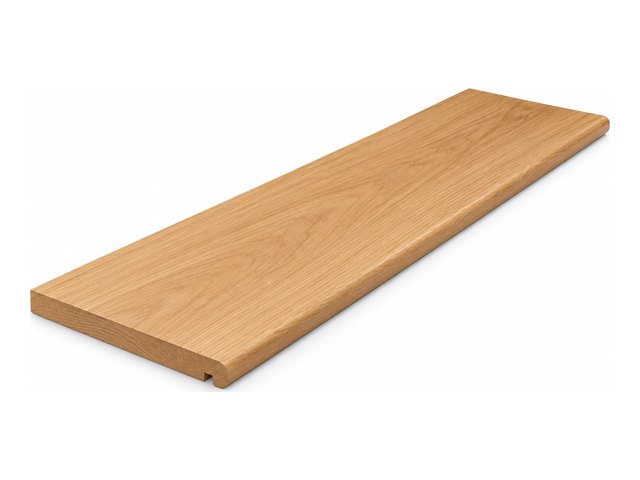
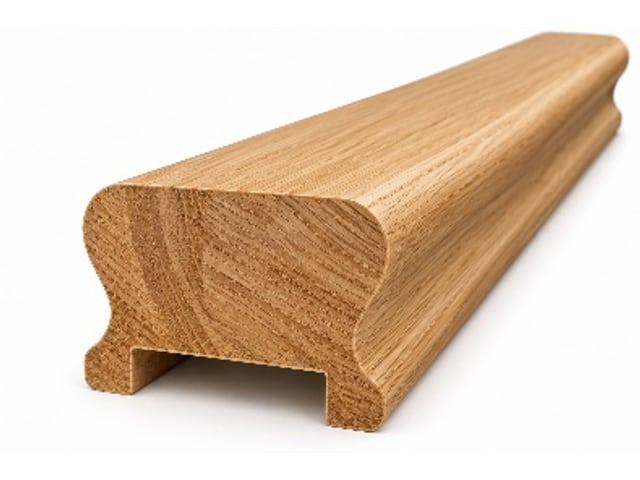
Shop by part
Contact us
Send us your list or your question and we will come back to you.
- Monday to Thursday8am to 4pm
- Friday8am to 2pm
- Saturday and SundayClosed